
In House Dialysis
for Rural Hospitals
Bring Dialysis In House. Keep Patients Close.
Critical Access Hospitals across the country are delivering dialysis in house through a more adaptable and sustainable model that keeps care local, reduces patient burden, and aligns with clinical and operational goals.
The Challenge
On average, rural patients have to travel 4 times farther than urban patients for dialysis.
Many rural patients travel long distances several times a week for routine, life-sustaining care—forcing hospitals without dialysis to transfer them elsewhere, straining staff, risking delays, and shifting both responsibility and revenue out the door.
Hospitals are redefining what’s possible.
Request a demoOutset Medical: The Partner Behind the Rural Dialysis Shift
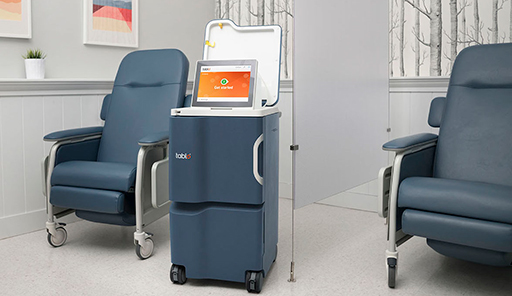
Innovative hospitals like Kittitas Valley Healthcare in Central Washington and Southeast Iowa Regional Medical Center are partnering with Outset Medical to deliver dialysis closer to home—with less complexity, lower costs and better outcomes. With the Tablo® Hemodialysis System, they’re improving access to care, strengthening operations, expanding care with the staff—and space—they already have.
Learn more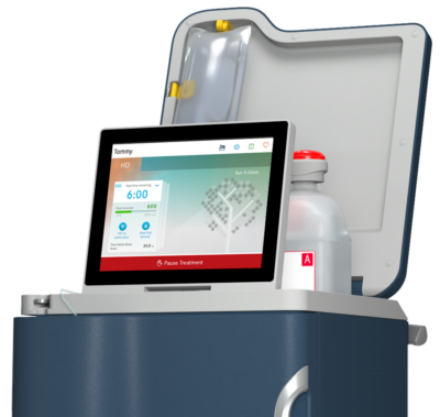
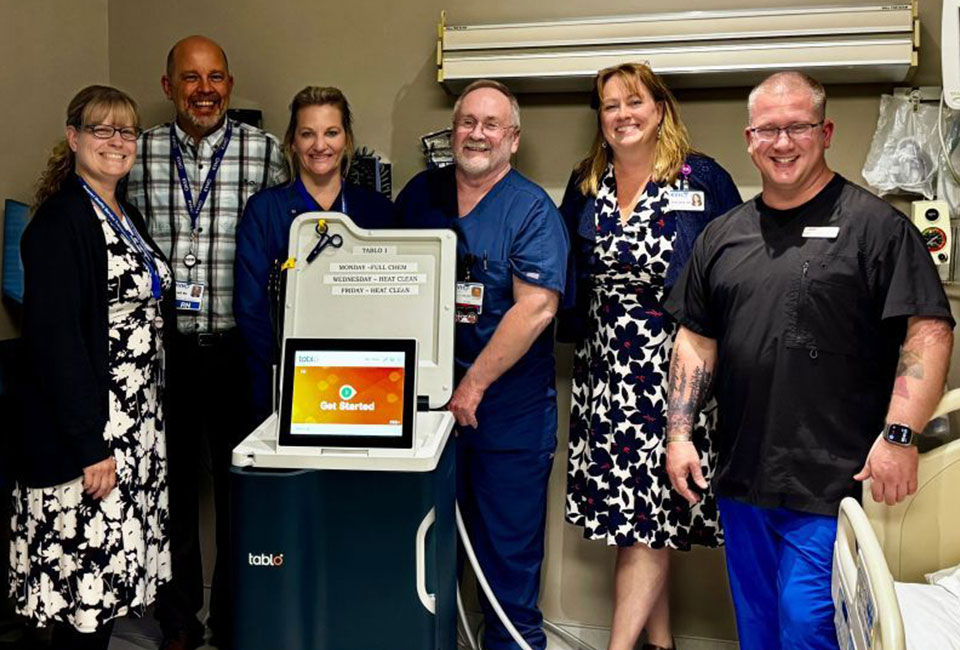


“It’s been a win for our patients, a win for our team in learning to take care of more acutely ill patients, and a win from a financial sustainability perspective.”
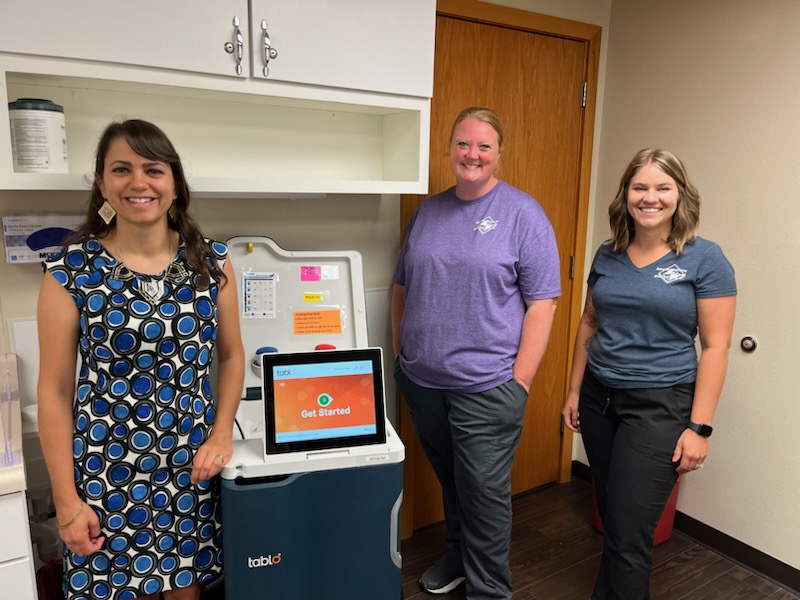
“I would say to others, it’s easier to start a home hemo program than you might think. And if you do, the patients will come.”
Why CAHs Are Choosing Tablo
Traditional dialysis systems were designed for large hospital systems with the space, staff and infrastructure to spare. Tablo is different—built for the realities of rural care.
- Compact and portable
- Den or bedside treatment delivery
- No water room required
- Only an outlet, tap water, and a drain to operate
- Train existing staff in under 4 hours
Success in Action: Case Studies in Rural Communities
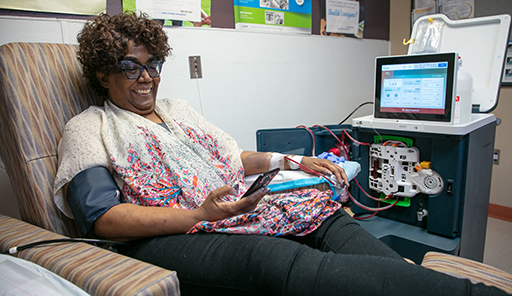
Kittitas Valley Healthcare
In rural Washington, dialysis patients often traveled over 40 miles for treatment. With Tablo, Kittitas Valley Healthcare trained existing staff—none with prior dialysis experience—and quickly expanded access to care.
Year 1 Results: 25+ treatments delivered, $784K in annual revenue—all without a water room or infrastructure changes
Southeast Iowa Regional Medical Center
In Southeast Iowa, patients faced long, weather-dependent commutes for dialysis. By training existing team members in house, the facility launched the region’s first rural home dialysis program—without adding full-time staff.
Year 1 Results: Four patients (ages 65–88) onboarded and trained—with one returning to full-time work. High staff and patient satisfaction across the board.